Certain malaria parasites have the ability to form a dormant liver stage, known as the hypnozoite – from the Greek words “hypnos” (sleep) and “zoon” (animal). In human malaria, some of the Plasmodium vivax and P. ovale sporozoites entering the blood from the bite of an infected Anopheles mosquito will remain behind in the liver as hypnozoites (the others develop into […]

I recently gave a talk on antibiotic prescribing in primary care, and had a great discussion with many of the general practitioners (GPs) who attended the course (on a separate note, it is not at all clear that the best people to talk to GPs about antibiotic prescribing in primary care are hospital-based infectious diseases […]
I was asked to provide some comments for the local Chinese newspaper Lianhe Zaobao on antibacterial product recently, and the article was published two days ago (in Chinese). I am glad that the other people who commented, including another ID physician (Dr Changa from Raffles Hospital), a dermatologist, and a Watson’s pharmacist, all basically said […]
A whimsical piece below, with the caveat that different major outbreaks pose different investigative challenges and scientific questions. Good to have the opinions and thoughts of others. I have been involved in a few major outbreaks in Singapore over the past decade-and-half, and have often wondered whether it is better to organise and write up […]
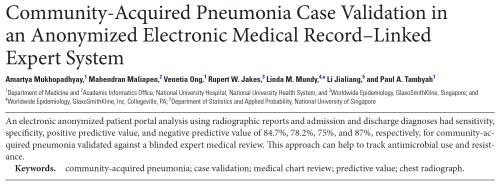
The last author of the above study pointed out that there were five – and not four – studies from Singapore published in the May supplementary issue of Clinical Infectious Diseases. A clear oversight on my part. The study – which was conducted at the National University Hospital (NUH) – evaluated the accuracy of an algorithm […]

The detailed report on Singapore’s multi-faceted approach at containing and investigating last year’s Zika outbreak has finally been published online at Lancet Infectious Diseases. I had written superficially about some of the events in a series of blog posts at that time, but this published work describes comprehensively both the clinical and public health aspects of managing […]
The final of the four Singapore papers in the May supplementary issue of Clinical Infectious Diseases, and by no means the least, focused on carbapenem-resistant Enterobacteriaceae (CRE) in inpatients from public hospitals in Singapore. The majority of the data are from a cohort study, aptly titled CaPES (Carbapenemase-Producing Enterobacteriaceae in Singapore), initiated in 2013 to […]
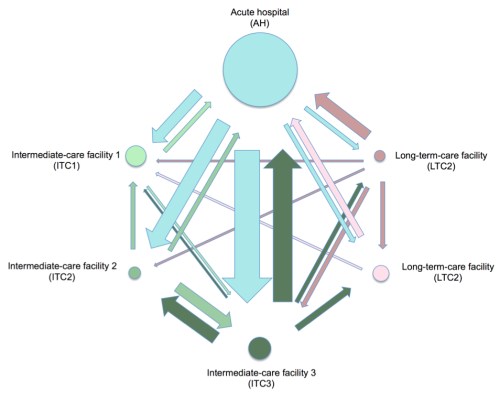
The third of four Singapore papers in the latest supplementary issue of Clinical Infectious Diseases on Infection Prevention in the Asia-Pacific is also based on work funded by the now defunct Communicable Diseases Public Health Research Grant from the Ministry of Health. The lead investigator – A/Prof Angela Chow from the Department of Clinical Epidemiology […]
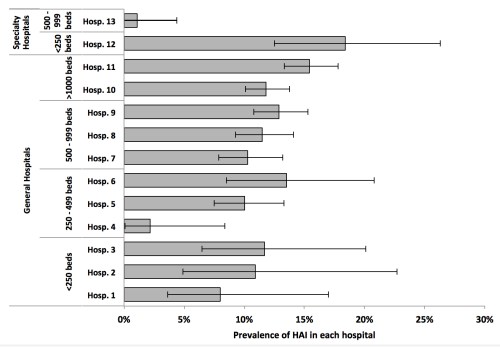
Broadly defined, healthcare-associated infections (HAIs, also termed “hospital-acquired infections” or “nosocomial infections”) are infections that occur during the process of care in a healthcare facility, most commonly a hospital. They are an important quality indicator for healthcare institutions – conceptually, one would not really wish to be treated at a hospital where one’s risk of acquiring an […]
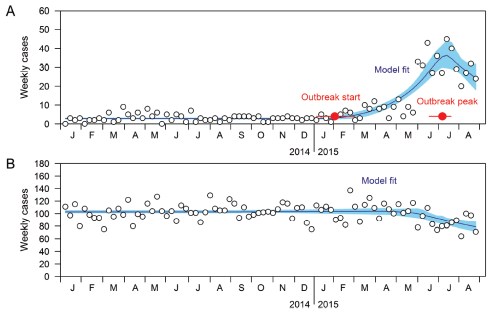
One of the major criticisms of scientific publishing is the long delay it takes between writing up the work and eventually getting it out in the public arena, with the fault shared variously between the authors, journal editorial boards, and peer reviewers. In the process, the data and results are usually embargoed. There is an excellent […]
 MIPHIDIC